
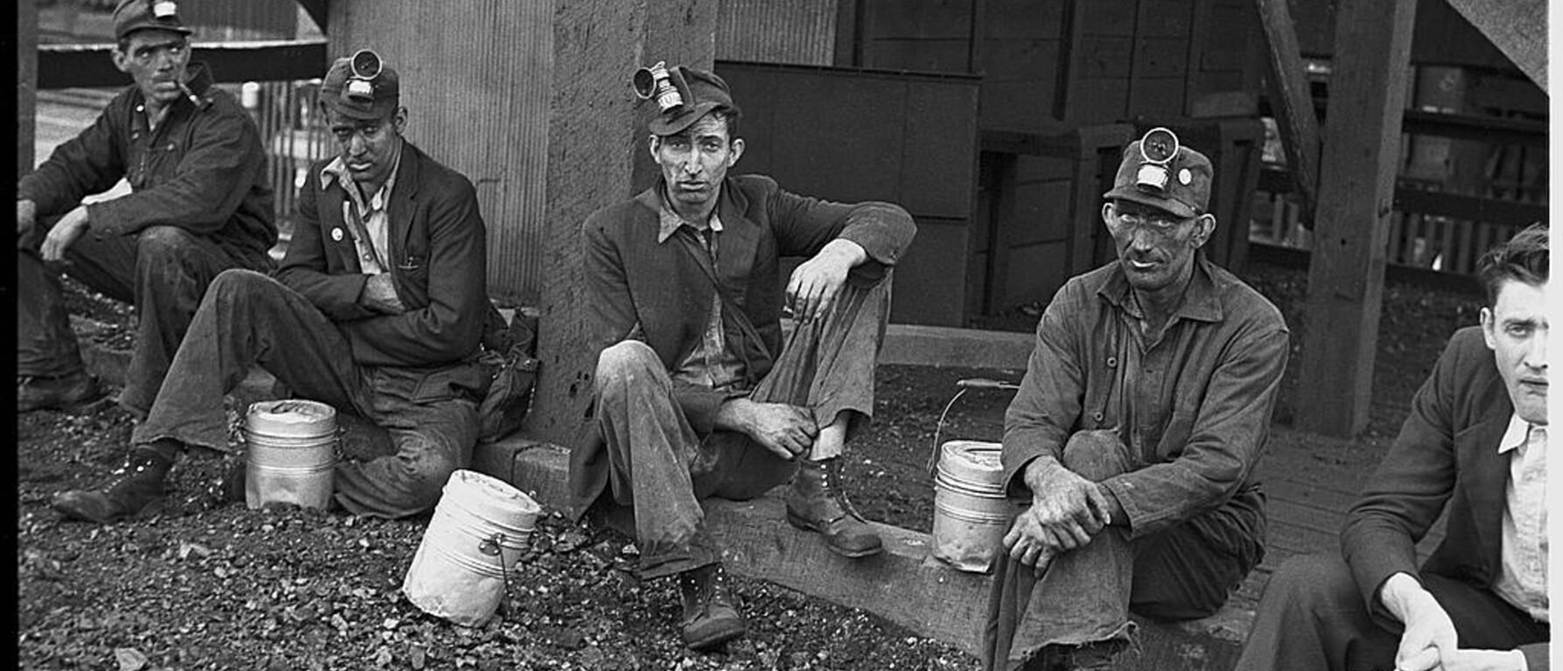
Life in the coal camp during the Great Depression meant endless days of grueling work, grinding poverty, shopping at the company store, and living in company-owned housing.
In leaner times, when work was sporadic, there were widespread food shortages. During those times, miners relied heavily on subsistence hunting and gardening, and the support of community.
Most miners and their families lived in coal camps, in housing owned by the mining companies. The company also owned the company store where the family bought food and supplies. They often owned the school, the local church, and the community buildings, as well. Some mining companies even owned the roads and utilities.
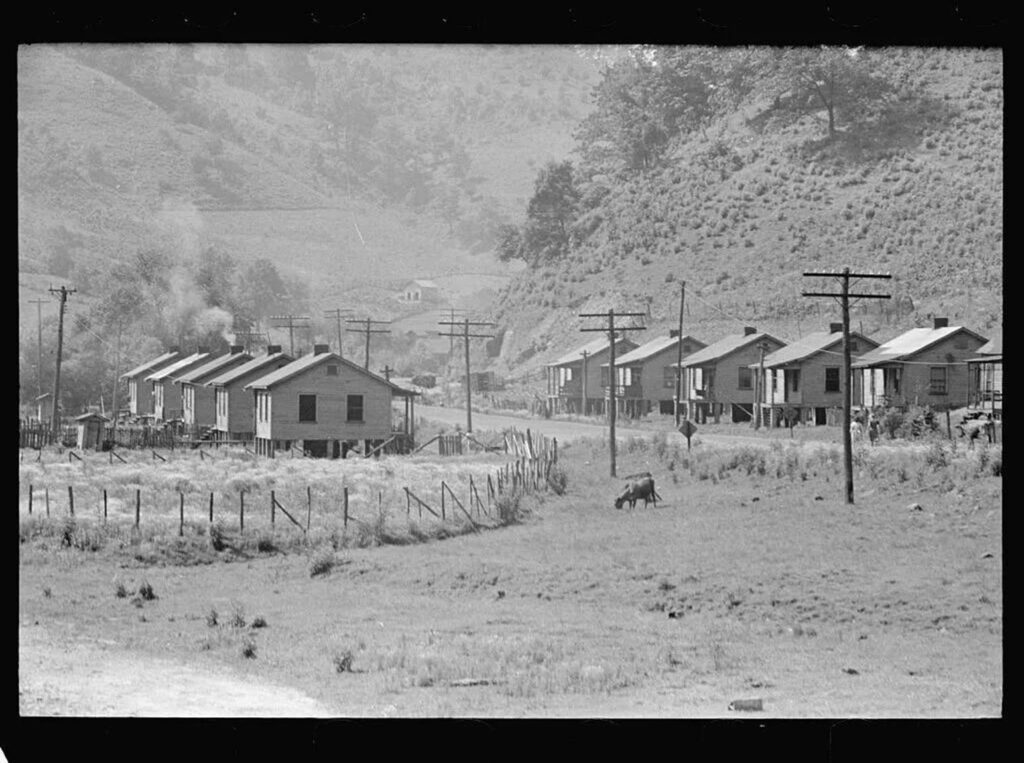
Rent was usually deducted directly from a miner’s pay. In some camps, miners were paid partly in “scrip,” a form of company-issued currency that could only be spent at the company store where selections were skimpy and prices inflated.
Miners worked long hours underground in terrible conditions, never far from the threat of cave-ins and explosions from methane gas. Years of exposure to coal dust often brought the black lung, and many miners suffered injuries from unsafe machinery and falling rock.
Even before the Depression, mining was risky. During the Depression, reduced demand for coal meant many mines cut hours or shut down completely. Men often waited each day to learn whether or not there would be work.
When mines closed or reduced production, families struggled to survive. Many people grew supplemental gardens and raised chickens, hogs, or cows. Others hunted rabbit, squirrel, deer, or even possum and coon. Still others gathered nuts, berries, and greens.
Families often stretched simple meals of beans, cornbread, potatoes, and garden vegetables. Meat was a luxury few could afford.
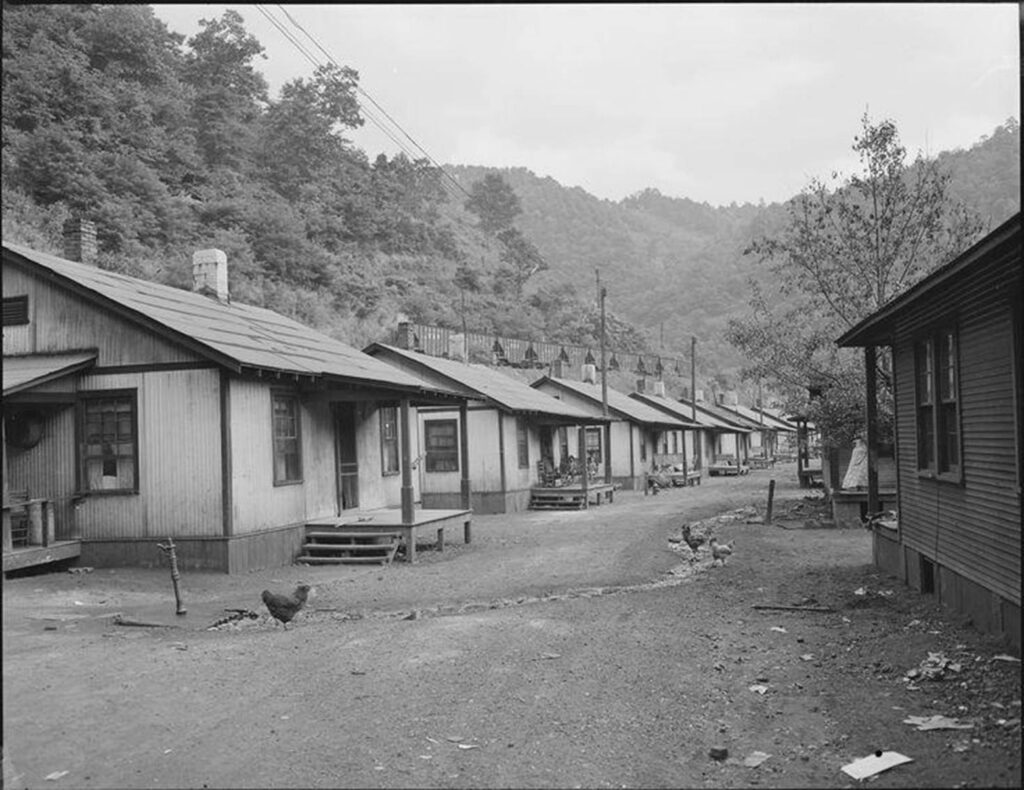
Coal camp houses were usually small wooden structures with few modern conveniences. Many, especially in rural areas, lacked indoor plumbing, electricity, and refrigeration.
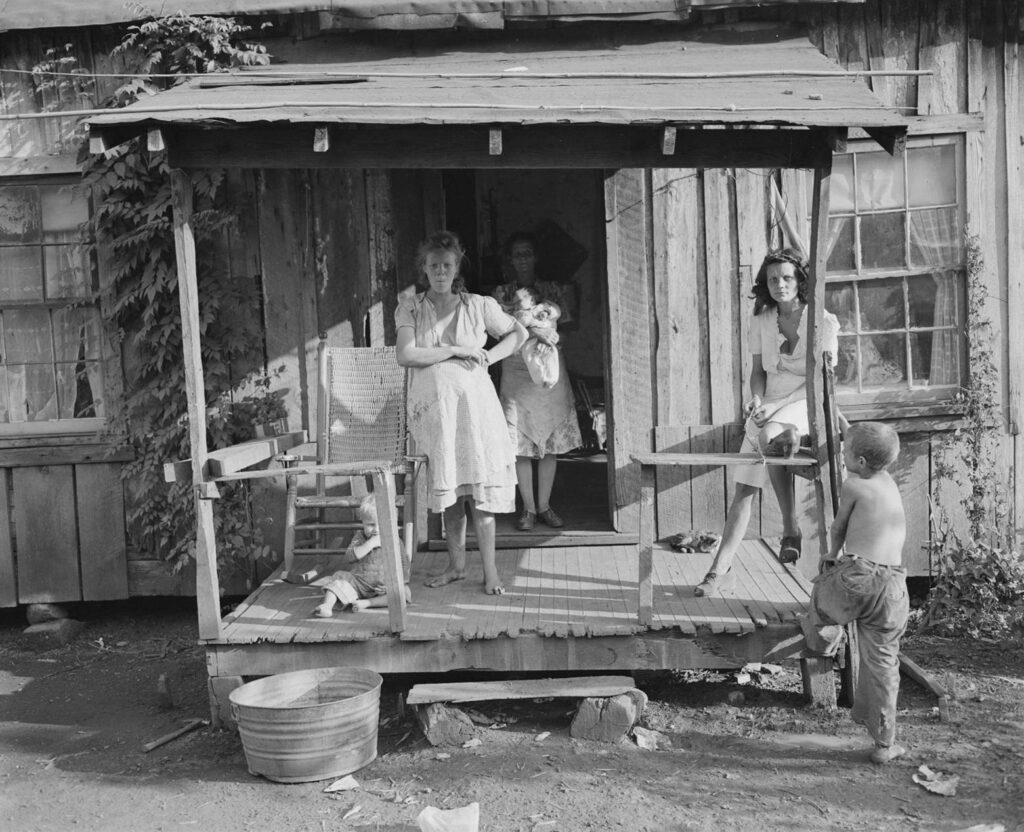
Women worked constantly. Cooking, washing clothes by hand, gardening, preserving food, and caring for children were only some of their daily tasks.
Children helped by gathering firewood, hauling water, and sometimes working outside jobs to supplement the family income.
Despite the hardship, coal camps fostered a strong sense of community. Neighbors shared food and supplies, helped care for sick family members, gathered for church, and often held community events where they enjoyed traditional Appalachian music, storytelling, and a shared faith.
For many families in the Eastern Kentucky coal camps, the Great Depression meant living with uncertainty. A family’s well-being often depended on whether the mine was operating that week.
That particular era is remembered as one of hardship and resilience. Life was difficult, but communities frequently pulled together to help one another through some of the toughest years in American history.